Market Day Adventures
Loulé, Olhão, and the Heart of Algarve's Mercados
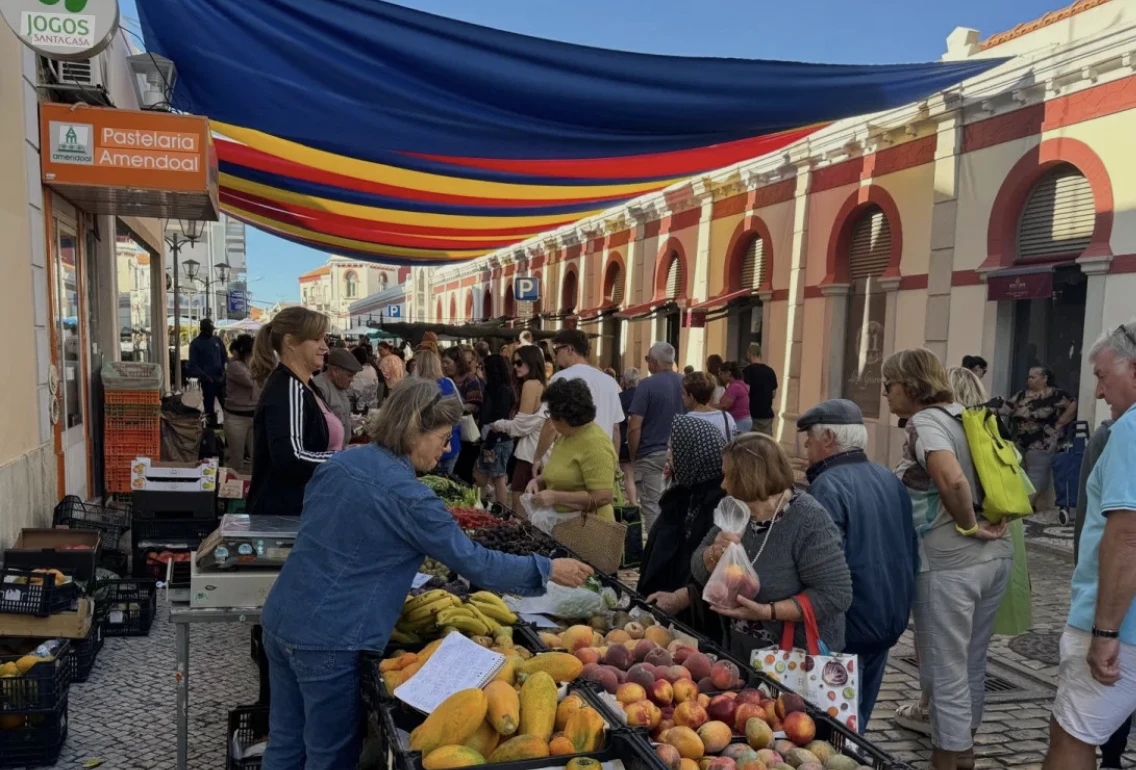
There's something magical about waking up early on a Saturday morning in the Algarve, knowing that the vibrant mercados are stirring to life. The scent of fresh bread, the calls of vendors, the kaleidoscope of seasonal produce—these markets aren't just places to shop, they're living museums of Portuguese culture, where tradition meets the rhythm of daily life.
Loulé: The Crown Jewel
Every Saturday morning, the Neo-Moorish market hall in Loulé transforms into one of the Algarve's most spectacular displays of local abundance. Built in 1908, this copper-domed beauty stands as an architectural reminder of the region's diverse heritage. Step inside and you'll find yourself swept into a sensory wonderland.
The fish mongers arrange their catch with the precision of artists—gleaming sardines, ruby-red mullet, and octopus still glistening from the Atlantic. Farmers from the hills display impossibly fragrant tomatoes, gnarled sweet potatoes, and bunches of aromatic herbs. In one corner, a woman sells nothing but eggs and cheese from her small farm; in another, a vendor offers honey so local you could probably identify which hillside the bees favoured.
What sets Loulé apart is its authenticity. While tourists do visit, this remains fundamentally a market where locals shop for their weekly provisions. You'll hear far more Portuguese than English, watch elderly women debate the merits of different lettuces, and see chefs from local restaurants haggling over the day's catch.
Olhão: Where the Sea Meets the Stall
If Loulé is the Algarve's countryside distilled, Olhão's mercados are pure coastal essence. This fishing town boasts not one but two stunning market buildings, both brick-red Modernist structures facing the Ria Formosa. The fish market opens daily except Sundays, and for anyone who loves seafood, it's a pilgrimage worth making.
The variety is staggering. Clams the size of your palm, percebes (goose barnacles) that look prehistoric and taste divine, squid so fresh they still change colour under the lights. The fishmongers here are characters—quick with a joke, generous with cooking advice, and fiercely proud of their products.
Walk across to the produce hall and you'll find the agricultural riches of the region: figs bursting with sweetness, almonds still in their fuzzy hulls, piri-piri peppers that promise fire, and in autumn, medlars and persimmons that many foreigners have never encountered. The vendors are generous with samples, eager to explain how to prepare unfamiliar items, and genuinely delighted when you appreciate their wares.
Beyond the Famous Two
While Loulé and Olhão steal the spotlight, nearly every town in the Algarve hosts its own market day. Tavira's Saturday morning market spreads through the town's pretty streets. São Brás de Alportel's Sunday market blends produce with antiques and bric-a-brac. Quarteira's Wednesday fish market offers some of the best prices on the coast. Lagos' Saturday market near the marina combines local produce with craft stalls and street food.
These smaller markets often feel more intimate. You're more likely to be the only non-Portuguese speaker, more likely to be offered a taste of someone's home-made licor de figo, more likely to stumble upon that perfectly ripe melon or bunch of coriander that makes dinner special.
Market Day Tips
Arrive early: The best produce and fish are claimed by 9am, especially at Loulé and Olhão. If you want first pick of the sardines or the ripest tomatoes, set your alarm.
Bring cash: While some vendors accept cards, many prefer cash. Small notes make transactions smoother.
Learn a few phrases: Even basic Portuguese like "bom dia" (good morning), "quanto custa?" (how much?), and "obrigado/a" (thank you) will earn you smiles and sometimes better prices.
Shop like a local: Watch what Portuguese shoppers buy and how they select produce. They'll squeeze, smell, and inspect before choosing, and vendors expect this.
Ask for cooking advice: Vendors are usually delighted to explain how to prepare something unfamiliar. Don't be shy about asking how to cook those strange-looking percebes or when that melon will be perfectly ripe.
Bring bags: While vendors provide plastic bags, bringing your own shopping bags is more sustainable and often more practical.
The mercados of the Algarve offer more than ingredients—they offer connection. Connection to the land, to the sea, to centuries of tradition, and to the people who wake before dawn to bring these treasures to your table. Whether you're cooking cataplana for a crowd or simply selecting ripe figs for breakfast, the market transforms shopping from a chore into a celebration of place and season.
So set that alarm for Saturday morning, and discover why the market is where the Algarve's heart truly beats.
If you would like to write an article for our Lifestyle page about Portugal or boating life we would love to hear from you.
Please send your article for review to [email protected]